
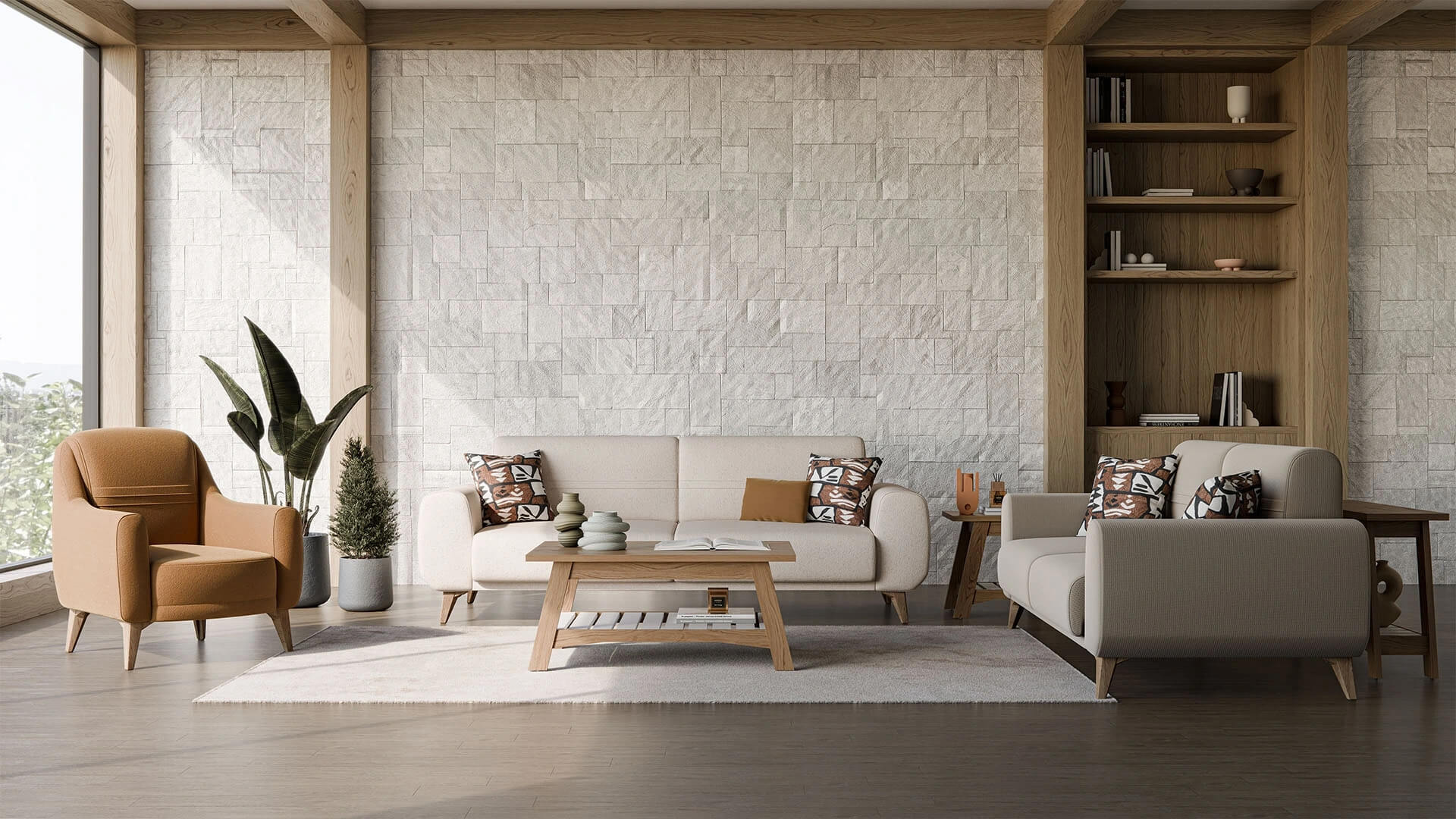
7 Effective Ways to Reduce Carbon Footprint in Decor
Our homes are not just places to live—they reflect our choices, needs, and our attitude toward the planet. In recent years, interior design has become about more than aesthetics. People now recognize the importance of making environmentally conscious, long-lasting, and responsible choices while decorating their homes. Reducing the carbon footprint in home decor has become essential for both the environment and personal quality of life.
This article explores 7 effective strategies for sustainable home decoration that can be applied in everyday life.
- Prioritize Sustainable Materials
The biggest environmental impact of a furniture piece comes from the materials used. Wood types, metal frames, upholstery fabrics, and even surface coatings determine the total carbon footprint of a product.
Sustainable materials are recyclable, long-lasting, and produced in environmentally responsible ways. Examples include:
- Certified durable woods
- Eco-friendly paints and varnishes
- Non-toxic adhesives
- Fabrics made from natural fibers
Choosing high-quality materials reduces environmental harm and ensures long-lasting use, minimizing waste over time.
- Choose Long-Lasting and Convertible Designs
Sustainability in decor is not just about materials but also about product lifespan and usability. Durable, convertible, and timeless designs are environmentally responsible.
Durability comes from quality craftsmanship and strong materials, allowing furniture to retain its shape and function for years. Timeless design ensures that pieces remain stylish regardless of changing trends.
Convertible furniture adds flexibility, such as:
- Modular shelving
- Adjustable sofas
- Sofa beds
- Neutral pieces that suit multiple spaces
These designs reduce unnecessary consumption and waste while adapting to changing needs.
- Create an Energy-Efficient Living Space
Decor is not only about furniture; it also influences how efficiently a home functions. Lighting, appliances, and spatial planning significantly impact the carbon footprint.
Energy-efficient lighting, especially LEDs, consumes less electricity and lasts longer than traditional bulbs. Simple placement and layout adjustments that maximize natural light also reduce energy use, such as:
- Using lightweight curtains
- Arranging furniture to avoid blocking windows
- Selecting light-colored surfaces to reflect daylight
These small changes significantly reduce electricity consumption and lower the household carbon footprint.
- Use Non-Toxic, Eco-Friendly Paints
Painting and renovations often affect indoor air quality and environmental impact. Many conventional paints contain high levels of VOCs (volatile organic compounds), which can be harmful to health and the environment.
Eco-friendly paints and low-VOC options:
- Improve indoor air quality
- Reduce health risks
- Create safer spaces for bedrooms, living rooms, and work areas
Additionally, these paints are usually more durable, requiring fewer touch-ups and producing less waste over time.
- Embrace Functional Design
Sustainable decoration often follows the principle of “less is more.” Excessive furnishings lead to higher consumption and greater carbon emissions.
Functional furniture helps:
- Maximize storage in beds or sofas
- Combine multiple uses in one piece
- Optimize modular or foldable designs
This reduces unnecessary purchases and keeps spaces organized. Functional design also creates a calm and efficient living environment, balancing aesthetics with sustainability.
- Optimize Natural Light and Thermal Efficiency
Lighting and thermal management are key factors in a home’s energy consumption. Design choices can significantly reduce energy use:
- Use light-colored walls to reflect daylight
- Choose curtains that allow daylight while providing privacy
- Position furniture to maximize sunlight
- Use textiles that improve insulation, such as thick curtains or natural fiber rugs
Effective use of light and temperature management reduces electricity and heating/cooling needs, improving comfort and reducing carbon emissions.
- Support Environmentally Responsible Brands and Products
One of the most effective ways to reduce a carbon footprint in home decor is to choose brands and products that prioritize sustainability. Look for items that:
- Are made to last with high-quality materials
- Follow eco-friendly production practices
- Are repairable or modular to extend lifespan
Products with these qualities reduce the need for frequent replacement, minimize waste, and contribute to a more sustainable lifestyle.
Sustainable Homes Begin with Conscious Choices
Reducing the carbon footprint in home decor doesn’t require drastic changes. Small, intentional decisions—from materials to lighting to furniture design—can make a home both stylish and eco-friendly.
Sustainable decoration is no longer just a trend; it is a key component of conscious living. By choosing durable materials, energy-efficient layouts, functional designs, and responsible products, we can create homes that are beautiful, practical, and environmentally respectful. Every decision contributes to a cleaner, healthier, and more balanced world.